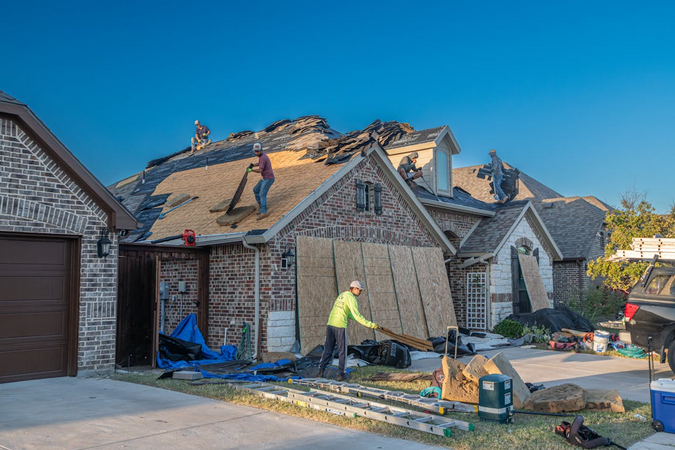
A roof is one of the most critical components of any home, protecting your property from rain, wind, and extreme weather conditions. However, many homeowners overlook routine maintenance, which can lead to costly repairs or even premature roof replacement. Proper upkeep preserves the structural integrity of your home and extends the lifespan of your roofing materials. Simple steps like inspecting shingles, cleaning gutters, and checking for leaks can make a significant difference over time. Understanding the basics of roof care helps homeowners proactively address potential problems before they escalate.
Regular Roof Inspections
Frequent inspections are the foundation of proper roof maintenance. Conduct visual checks at least twice a year—preferably in spring and fall—to identify any damage, loose shingles, or areas vulnerable to leaks. Pay attention to discolored spots, curling shingles, and moss or algae growth. While some issues may be visible from the ground, consider safely accessing your roof or hiring a professional for a closer examination. Detecting problems early prevents minor issues from developing into major repairs, saving money and reducing the risk of water damage to your home’s interior.
Clean and Maintain Gutters
Gutters play a crucial role in directing water away from your home, preventing foundation damage and roof leaks. Regularly removing leaves, debris, and dirt keeps water flowing freely and reduces pressure on roof edges. Clogged gutters can lead to water pooling, which increases the likelihood of rot or leaks. Additionally, check downspouts to make sure water is discharged at a safe distance from the foundation. Maintaining gutters is a simple but essential task that protects both your roof and the structural stability of your home.
Address Moss, Algae, and Debris
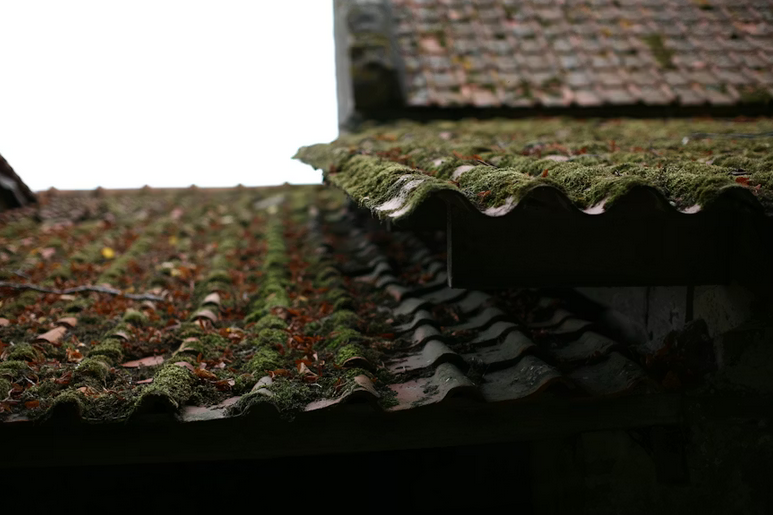
Moss and algae can cause moisture retention, weakening roofing materials and promoting decay over time. Remove small patches with a soft-bristled brush or use a moss-killing solution that is safe for your roofing type. Avoid harsh chemicals that can damage shingles or roofing tiles. Additionally, clear away branches, leaves, and other debris that may accumulate on the roof surface. Preventing these issues maintains the durability of your roof and keeps it looking well-kept. Regular attention to debris and growths reduces the risk of water damage and prolongs the roof’s lifespan.
Check Flashing and Roof Penetrations
Flashing—the metal strips around chimneys, vents, and skylights—is a common point of leaks. Inspect these areas carefully, looking for gaps, rust, or loose sections that may allow water to seep in. Sealing cracks promptly with roofing sealant can prevent leaks from spreading into the attic or walls. Other roof penetrations, such as vents and satellite mounts, should also be monitored. Proper maintenance of these vulnerable areas is essential for keeping your roof watertight and preventing structural damage.
Professional Roof Maintenance and Repairs
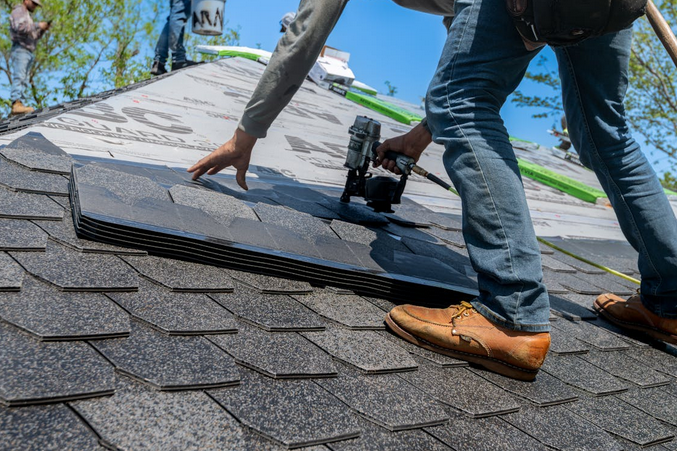
While some maintenance tasks can be done by homeowners, professional inspections and repairs offer additional peace of mind. Certified roofing specialists can identify issues that may go unnoticed and provide solutions to extend the roof’s lifespan. Scheduling periodic professional evaluations ensures that your roof remains in good condition, protecting both your home and investment. Even simple tasks like repairing a few damaged shingles or replacing worn flashing can prevent more costly problems down the line. A combination of DIY care and expert attention produces optimal results for roof longevity.
Maintaining a roof is essential for protecting your home from the elements and extending the life of your investment. Regular inspections, clean gutters, removal of moss and debris, attention to flashing, and periodic professional evaluations are the cornerstone practices that every homeowner should adopt. Consistent roof care prevents minor issues from becoming major problems and contributes to the overall safety and stability of your property. By following these tips, homeowners can preserve both the function and appearance of their roof, ensuring long-term protection and peace of mind for years to come.… More







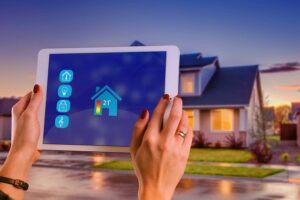 Smart homes, once a futuristic concept, have become a tangible reality for many homeowners. The integration of smart technology allows residents to control and monitor various aspects of their home environment with a few taps on their smartphones or through voice-activated virtual assistants. This shift towards automation extends to the heart of our homes: the HVAC system. With the advent of smart thermostats and other innovative devices, homeowners can now streamline their heating and cooling processes in previously unimaginable ways.
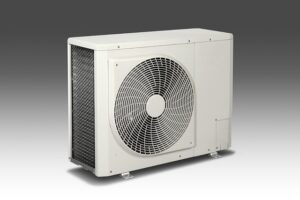 Aside from comfort and efficiency, smart HVAC systems offer homeowners an added layer of safety and peace of mind. With remote access and monitoring capabilities, homeowners can keep an eye on their HVAC system even when away from home. This is especially useful in emergencies or unexpected malfunctions, as homeowners will be immediately alerted and able to take action. Furthermore, some smart thermostats come equipped with features such as air quality monitoring and filter replacement notifications, ensuring that the air in your home remains clean and healthy.
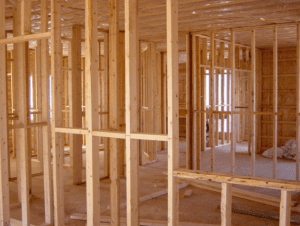 When building your dream home, you want to work with a company with extensive expertise and experience in the industry. Consider how long the construction company has been in business and the types of projects they have completed. Do they specialize in the style or size of the home you desire? They should also have the required expertise in operating machinery or working with well know companies like the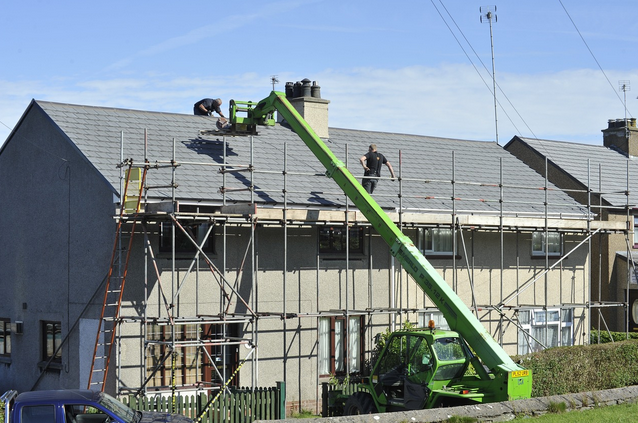
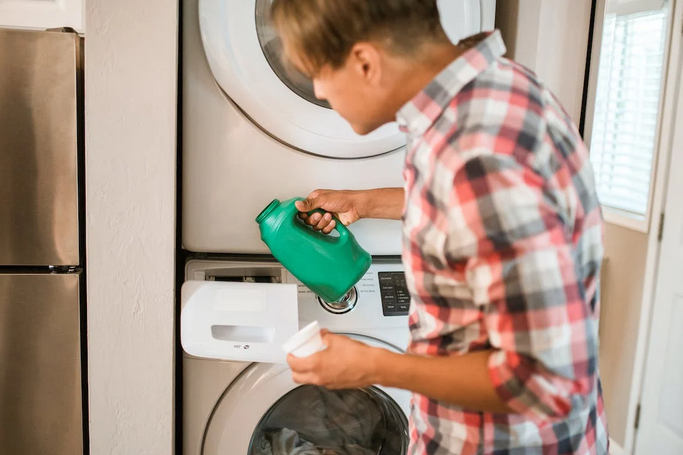
 Another great benefit of liquid detergent is its more effective removal of stubborn stains. This is because liquid detergents are formulated with powerful enzymes that break down dirt and other particles, making them easier to remove from fabric. Powder detergents can also leave residue, making it challenging to obliterate a stain. It can be incredibly annoying when trying to get tough food stains out of your clothes.
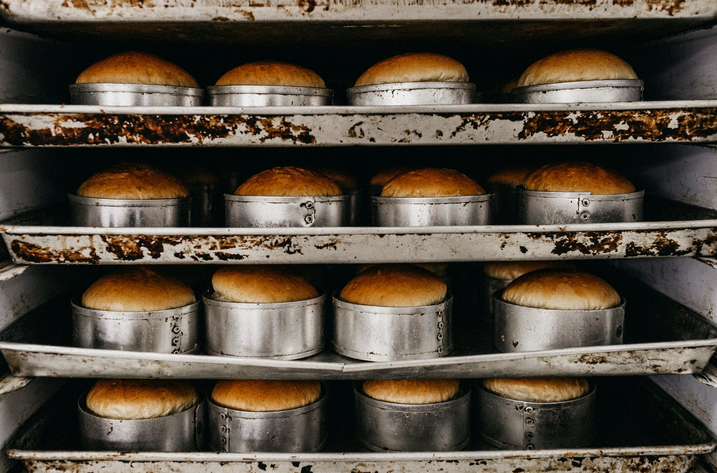
 As mentioned above, oven fires are a top cause of house fires in the U.K. and the U.S. In fact, according to the National Fire Protection Association (NFPA), home cooking fires are responsible for more than $450 million in damage each year. And of those home cooking fires, 54% start in the oven.
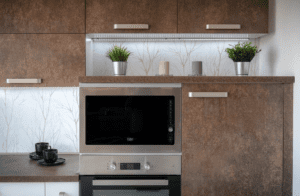 Oven fires are not only a leading cause of house fires, but they can also be very dangerous. In fact, according to the NFPA, home cooking fires account for an average of three deaths and nearly 500 injuries each year.